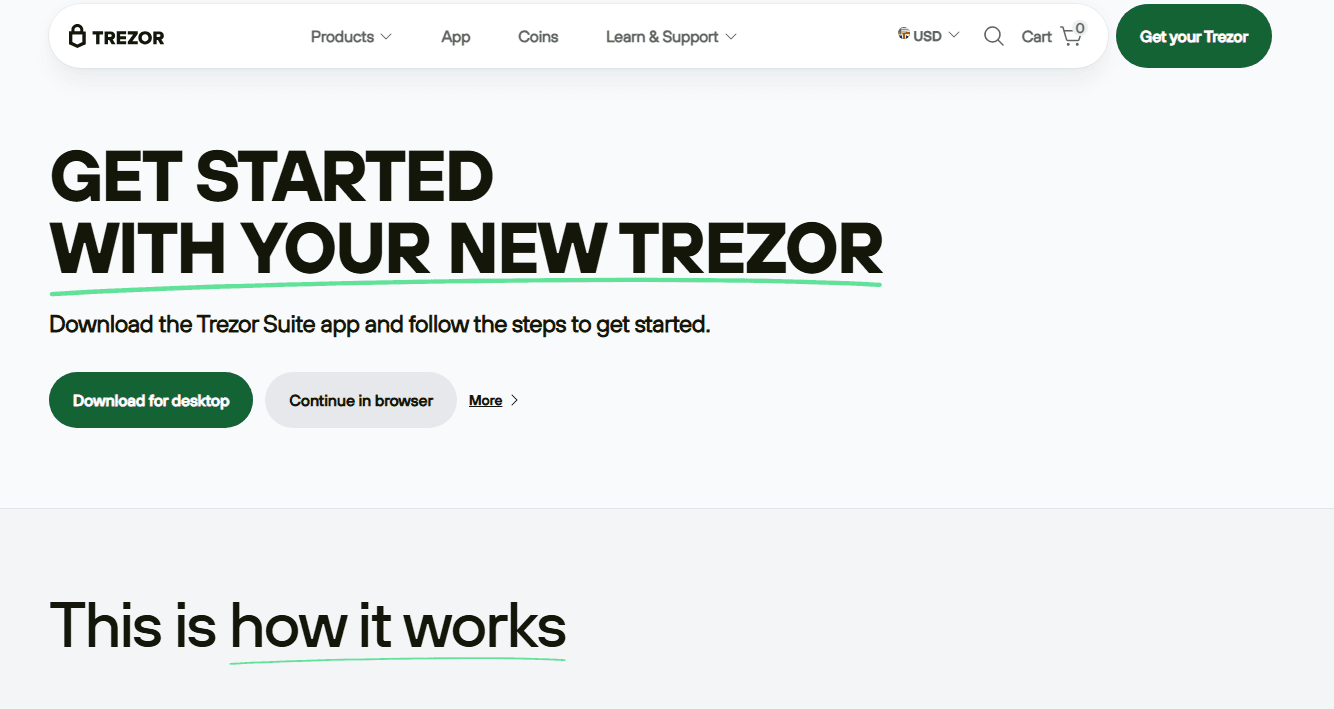
Trezor Login – Complete 1200-Word Overview
Trezor is one of the most widely recognized names in the world of hardware wallets, valued for its clear design, easy-to-learn interface, and strong focus on protecting sensitive information such as private keys. While many apps and websites use the word “login” to describe accessing an online account, the idea of Trezor login is different. A Trezor device does not operate like a typical username-and-password website. Instead, “logging in” to Trezor involves connecting the physical hardware wallet to a computer or mobile device, confirming interactions on the device’s screen, and using Trezor Suite—the official application that communicates with the hardware wallet.
This detailed guide explains everything about the Trezor login process from a beginner-friendly viewpoint. It covers what Trezor login really means, how the device interacts with Trezor Suite, safety practices, troubleshooting advice, and steps users typically follow when accessing their device.
1. Understanding What “Trezor Login” Really Means
Most people are familiar with logging into online platforms by typing a password. Trezor works differently. Instead of entering a password into a website or app, Trezor requires the physical device to be present during the login process. This ensures that sensitive actions—such as viewing accounts or approving actions—can only be done by the person who holds the actual hardware wallet.
When people mention “Trezor login,” they usually mean:
Connecting the Trezor device to a computer or mobile phone
Opening Trezor Suite, the official dashboard
Unlocking the device using a PIN on its physical screen
Verifying prompts safely on the device
Because of this design, accessing a Trezor device is less about typing information and more about confirming actions physically. This reduces the risk of harmful software, attacks, or phishing attempts that target online passwords.
2. The Role of Trezor Suite During Login
Trezor Suite is the official application that pairs with the Trezor hardware wallet. It is available on major operating systems and provides a user-friendly dashboard where people can manage accounts, check balances, install updates, organize portfolios, and adjust device settings.
When logging in with Trezor, Trezor Suite plays several roles:
It recognizes the connected device
It helps guide users through unlocking the device
It shows account information and interactive options
It provides security alerts or update reminders
It acts as an interface without ever revealing private keys
One of the most important things to understand is that Trezor Suite does not store private keys. It simply displays information and sends requests to the device, while the hardware wallet itself keeps sensitive data offline.
3. Steps Involved in Accessing a Trezor Device
The Trezor login flow is designed to be simple, even for people who are new to hardware wallets. Here is a broad look at the steps involved when someone accesses their Trezor device.
Step 1: Connect the Trezor Device
Users begin by connecting their Trezor Model One or Model T to their computer or phone using a USB cable. The device powers on automatically and displays initial instructions.
Step 2: Launch Trezor Suite
After the device is connected, the user opens Trezor Suite. The software recognizes the hardware wallet and displays the option to proceed.
Trezor Suite may also check:
Whether the device is genuine
Whether firmware needs updating
Whether security elements are active
These checks protect users from potential risks.
Step 3: Enter the PIN on the Device
In order to unlock and access information, users must enter their PIN directly on the Trezor device. The PIN protects against unauthorized access. Only someone who knows the PIN and has the physical device can unlock it.
Models display the PIN entry differently:
Trezor Model One uses a randomized PIN grid displayed in Trezor Suite, which the user matches to the physical device.
Trezor Model T displays a touchscreen PIN entry directly on the device.
This step ensures that harmful software cannot steal the PIN by watching keystrokes.
Step 4: Access Trezor Suite Dashboard
Once unlocked, Trezor Suite provides access to:
Accounts
Portfolio views
Activity logs
App management
Device settings
From here, users can explore tools, manage accounts, or check information safely.
4. Security Principles Behind Trezor Login
Trezor’s login process is built around strong security practices. Understanding these principles is important for making sense of why the device works the way it does.
Offline Storage of Private Keys
Trezor devices store private keys offline inside a secure element. This means that:
No website ever sees the keys
No app stores the keys
No cloud service can access them
Even during login, private keys never leave the device.
Mandatory Physical Confirmation
Trezor requires users to press physical buttons—or use the touchscreen for the Model T—to confirm specific actions. This prevents harmful software from performing unauthorized actions.
PIN Protection
The PIN acts as a protective shield. Without it, even someone holding the device cannot access accounts.
Recovery Phrase Awareness
If the device is lost, users can restore it using a recovery phrase, which must be written down during setup. Trezor emphasizes that this phrase is private and should never be typed online or shared with anyone.
No Traditional Email-Password Accounts
Because Trezor operates offline, there is no typical login account. This eliminates many of the risks associated with compromised passwords.
5. Resetting, Managing, and Updating Through Trezor Login
Trezor login is not only for accessing accounts—it also allows users to manage their device settings safely.
Firmware Updates
Firmware is the software running inside the device. During login, Trezor Suite may display a message suggesting an update. Users can install updates by confirming them directly on the device.
Changing the PIN
Through Trezor Suite, users can adjust their PIN after unlocking their device. The device will guide them step-by-step, minimizing mistakes.
Viewing Device Details
Trezor Suite displays:
The model
Firmware version
Security status
Recovery phrase safety reminders
This transparency helps users stay aware of their device’s condition.
6. Troubleshooting Common Trezor Login Concerns
New users sometimes encounter small issues while accessing their device. Trezor login includes built-in guidance to help solve them.
Device Not Detected
This may happen due to:
USB cable problems
Outdated software
Missing drivers
Trezor Suite usually provides suggestions for fixing these issues.
Incorrect PIN
If a user enters the wrong PIN too many times, the device increases the wait time between attempts. This prevents unauthorized access. Trezor provides clear on-screen warnings to help avoid accidental lockouts.
Firmware Update Required
Sometimes Trezor Suite will block certain functions until the device is updated. This is to ensure users are working with the latest security protections.
Connection Issues
These might be caused by:
Damaged cables
USB power interruptions
Faulty ports
Trezor’s guidance covers these with simple checklists.
7. Good Habits When Using Trezor Login
Trezor encourages safe online behavior throughout the login and usage process.
Always Check the URL or App Authenticity
Users should make sure they are using the official Trezor Suite from the correct source.
Never Enter Sensitive Information Into Websites
The recovery phrase should never be typed into:
Browsers
Email
Messaging apps
Other software
It belongs only inside the Trezor device.
Avoid Suspicious “Support” Messages
Trezor warns users that real support agents will never ask for:
Recovery phrase
PIN
Device backup words
Understanding this early helps users avoid scams.
Physically Protect the Device
Because the Trezor login requires the hardware itself, keeping the device in a safe place is essential.
8. Why Trezor’s Login Approach Matters
By using physical confirmation, offline storage, and PIN protection, Trezor ensures that the device remains secure even if the computer or browser is not. This makes Trezor login very different from standard online accounts.
Some benefits include:
Strong insulation from digital threats
High control over sensitive information
Reduced risk of password-based attacks
Lightweight, user-friendly experience
Clarity and transparency in device behavior
Trezor’s design shows that security does not need to be complicated—just well engineered.
9. Final Thoughts
Trezor login is a simple yet powerful process that keeps the user at the center of control. Instead of relying on cloud accounts or traditional passwords, the device uses a combination of:
Physical interaction
Secure offline storage
PIN protection
Trezor Suite interface
This combination makes the login process secure, intuitive, and easy to understand for newcomers. Whether someone is learning about hardware wallets for the first time or exploring Trezor Suite in depth, the login system provides a safe foundation for interacting with digital accounts responsibly.